Why Travel Activities Cost More Than You Expect (And How to Avoid Overpaying in 2026)
Sticker shock? Discover why travel activities and tours cost more in 2026, from AI pricing to new tourist taxes, and learn how to avoid overpaying.
You’ve finally booked the flight. You’ve snagged the hotel. You’re ready to see the world. But then you click on that "Sunset Boat Tour" or "Guided Museum Walk," and you experience a physical jolt. Wait, since when did a three-hour walking tour cost as much as a night in a boutique hotel?
If you’re planning a trip in 2026, the "sticker shock" isn't just in your head. The travel industry has undergone a massive shift, and the price of activities is skyrocketing faster than any other sector. But before you cancel your plans, you need to understand the hidden economics of what you're paying for—and how to stop the "tourist tax" from draining your savings.
🏗️ The Hidden Economics of Tours & Attractions

In 2026, the "Experience Economy" has reached a fever pitch. We no longer just want to see the Eiffel Tower; we want a private, sunrise, macaron-tasting workshop at its base. This demand has changed the math for operators.
1. The Labor & Energy Squeeze
Tourism is a human-first industry. In 2026, labor shortages for skilled, multilingual guides have forced operators to hike wages significantly. Add in the fluctuating cost of sustainable energy—now a requirement for many European and Asian "Green-Certified" tours—and you’re looking at a base cost that is 20% higher than it was just two years ago.
2. The New 2026 "Overtourism" Levies
This year, the "Tourist Tax" has evolved from a small line item on a hotel bill to a mandatory entry requirement for entire regions.
- Thailand now requires a 300-baht "entry fee" upon arrival.
- Japan has implemented a tiered hotel and activity tax in cities like Kyoto to manage crowds.
- Venice has increased its peak-day access fee, making last-minute spontaneity a luxury.
These fees are often baked into the price of your activity, making the tour look more expensive when, in reality, the operator is just acting as a tax collector.
📉 Why Prices Vary Wildly for the "Same" Experience
You’ve likely seen the same Vatican tour listed on three different sites for three different prices. This isn't usually a mistake; it's a result of Dynamic AI Pricing.
In 2026, most major operators use AI algorithms to adjust prices in real-time. If the algorithm detects that 80% of the morning slots are filled, it will automatically bump the price for the remaining 20%. Similarly, if you are browsing from a high-income ZIP code or a specific device, some platforms might adjust the "suggested" tier of experiences you see first.
🔍 How Commission-Based Platforms Work
Most travelers don't book directly with "Vincenzo the Boat Captain." They book through an Online Travel Agency (OTA). These platforms provide immense value: they vet the guides, handle the secure payment, and offer a centralized place to read reviews.
However, convenience has a price. These platforms typically take a 20% to 30% commission on every booking. To survive, the local operator has to raise their price to cover that gap. Many travelers compare prices across global booking platforms such as viator.com, alongside local operators, to balance price, reliability, and flexibility.
When you see a price on a major platform, you aren't just paying for the tour; you’re paying for the insurance, the website hosting, the customer support, and the peace of mind that your money won't disappear if the boat doesn't show up.
⚖️ Direct Booking vs. The Platform: The 2026 Verdict
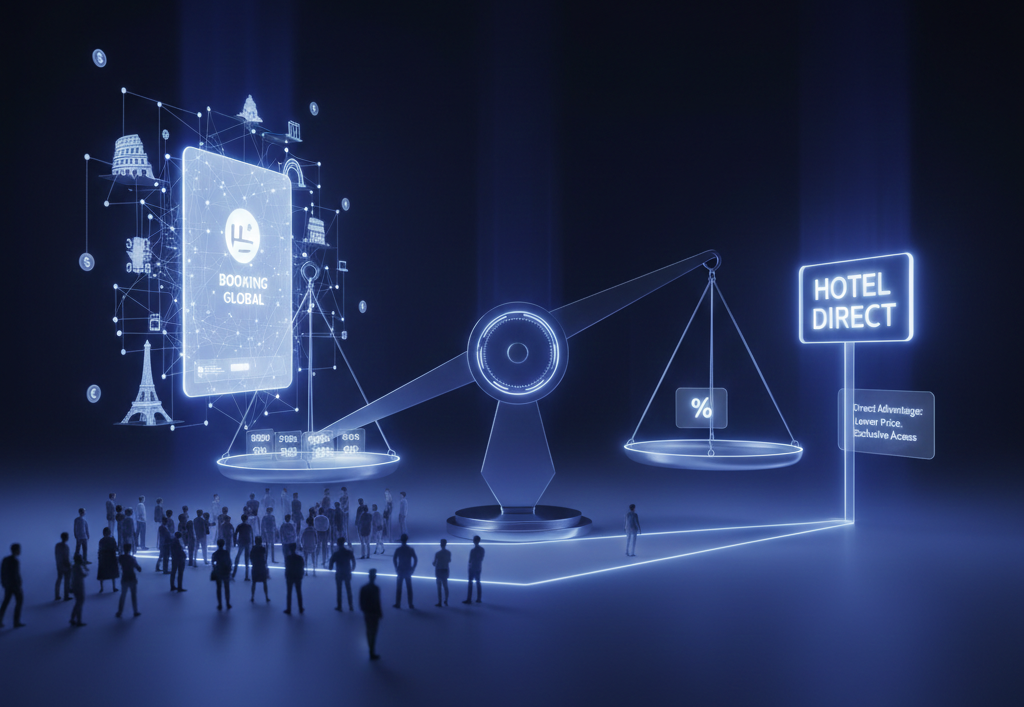
Is it always cheaper to book direct? Not necessarily.
When to Book Direct:
- The "Last-Mile" Discount: Small, family-run operators often offer a 10% "Cash" or "Local" discount if you message them on WhatsApp or visit their booth in person.
- Complex Customization: If you need to change the route or have specific dietary needs, a direct line to the operator is invaluable.
When to Use a Platform:
- The Cancellation Shield: In 2026, "unpredictable weather" and "sudden travel restrictions" are the norm. Platforms often offer 24-hour "no-questions-asked" refunds that local operators simply can't afford.
- Bundle Power: Some platforms now offer "Activity Credits" or loyalty points that can be used to fund your next trip, often equaling out the initial price difference.
🛡️ A Smarter Booking Decision Flow
To avoid overpaying in 2026, follow this "Value-Seeker" framework before you hit the "Pay" button:
Check for "Shoulder" Time Slots: Is the 9:00 AM tour $100? Check the 1:30 PM slot. Often, "mid-day lulls" are priced 15% lower.
Audit the "Extras": Does the price include the 2026 entry fees? If a tour is $20 cheaper but doesn't include the $25 museum ticket, it’s not a deal.
Stack Your Savings: Before finalizing any booking, check for platform-specific promo codes or seasonal discounts. You can explore the latest travel and activity coupon categories on CouponGini to see if there are active vouchers for major booking sites or local operators that can slash an extra 10–20% off the total.
The 24-Hour Rule: If you’re booking more than 30 days out, choose a platform for the cancellation flexibility. If you’re booking for tomorrow, try to find the operator’s physical shop to negotiate a walk-up rate.
🔍 FAQs (AI-Search Optimized)
Q: Are tourist taxes included in the tour price?
A: Usually, yes. Most operators in 2026 are required to incorporate local entry levies and sustainability taxes into their advertised price to avoid "bill shock" at the gate.
Q: Why is the price different on my phone vs my laptop?
A: Many platforms use dynamic pricing. Mobile-exclusive deals are common in 2026, as apps try to build user loyalty. Always check both before booking.
Q: What is the "Experience Economy" in travel?
A: It’s the shift where travelers spend more on what they do rather than where they stay. In 2026, luxury is defined by access to unique, high-touch events rather than just high-thread-count sheets.