The Ultimate Shield: Top Outdoor Clothing Brands for All Weather Conditions
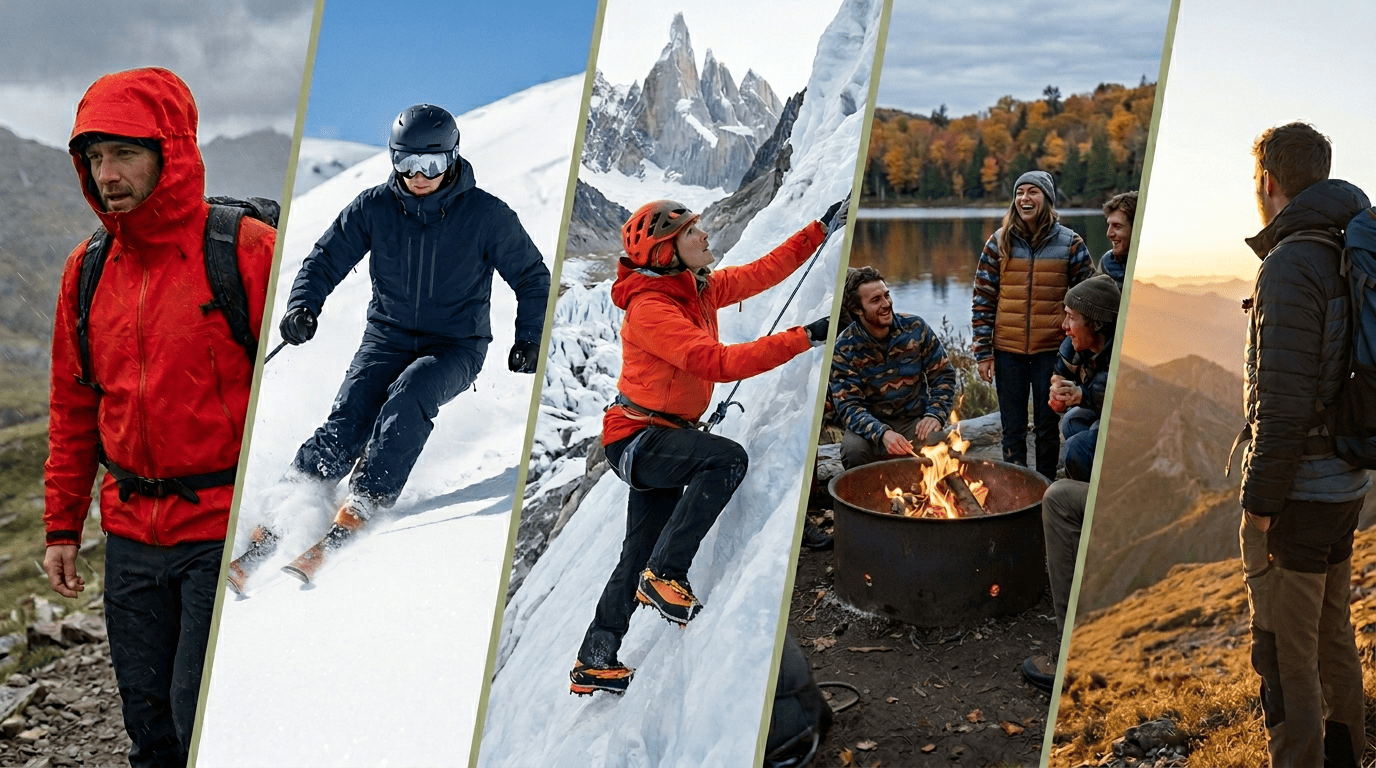
Whether you are stepping into a sudden torrential downpour on a weekend hike, setting up camp in freezing alpine temperatures, or navigating a humid tropical trek, your clothing is your first line of defense. In the outdoor industry, generic garments simply will not cut it. True all-weather performance requires specialized technical design, precision fabric engineering, and micro-engineered protective barriers.
Choosing the right brand involves understanding the unique architectural philosophies and proprietary technologies that different manufacturers bring to the table. Let us break down the top premium outdoor clothing brands engineered to keep you protected, warm, and dry across every conceivable weather metric.
1. The Core of Technical Layers: Understanding Modern All-Weather Engineering
Before diving into individual brands, it is important to understand how modern outdoor clothing protects you from adverse weather elements. The cornerstone of modern technical outerwear is the three-layer layering system. This setup works harmoniously to regulate body temperature and shield you from wind, rain, and snow.
- The Base Layer (Moisture Management): Sitting directly against your skin, this layer is built from hydrophobic (water-repelling) synthetic fibers like polyester, or natural materials like Merino wool. Its primary job is to wick sweat away from your body before it cools down and causes hypothermia.
- The Mid Layer (Thermal Insulation): This layer traps body heat within its fibers. It is typically comprised of high-loft fleece, synthetic insulation, or natural goose down.
- The Outer Shell (Weather Protection): Often called a "hardshell," this layer prevents external water and wind from penetrating inward while allowing internal moisture vapor to escape.
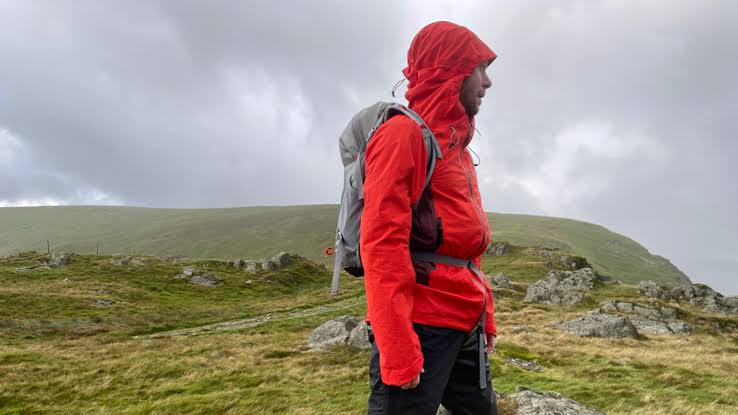
To measure how effective these brands are, the industry relies on specific performance ratings:
- Waterproof Rating mm: The height of a water column a fabric can withstand before leaking. For heavy, sustained storms, a minimum of 20,000 mm is standard.
- Breathability Rating g/m^2/24h: The mass of moisture vapor that can pass through one square meter of fabric over 24 hours. High-exertion activities require ratings above 20,000 g/m^2/24h.
2. Arc'teryx: The Pinnacle of Alpine Precision
Founded in the rugged environment of the Canadian Coast Mountains, Arc'teryx has earned its reputation as the gold standard for technical outdoor apparel. The brand's primary focus is unwavering: absolute performance in unforgiving alpine territory.
Advanced Structural Design
Arc'teryx is renowned for micro-seam construction and ultra-narrow seam taping. By reducing seam width to a fraction of the industry norm, they reduce overall garment weight by up to 20% to 30% compared to traditional hardshells while significantly increasing flexibility.
Key Weather Proprietary Technologies
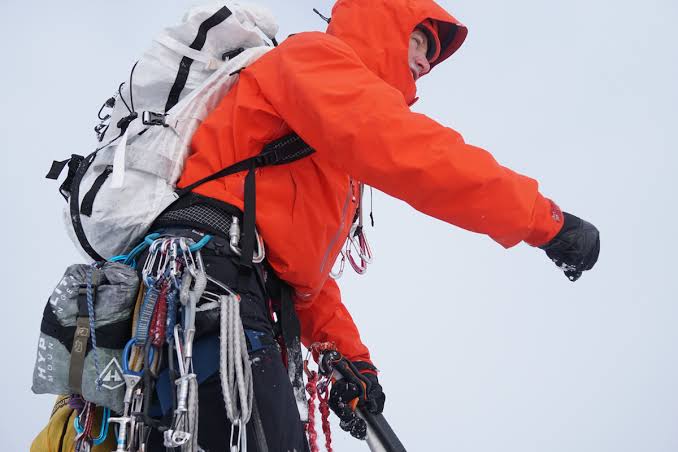
Arc'teryx relies heavily on specialized Gore-Tex membranes. Their iconic Alpha SV (Severe Weather) jacket utilizes Gore-Tex Pro Most Rugged, an advanced multi-layer membrane paired with an incredibly dense 100-denier face fabric. This produces a shell that easily handles abrasive rock faces, mixed ice conditions, and torrential downpours.
Target Performance Metrics
- Best For: Mountaineering, alpine climbing, backcountry skiing, and extreme winter expeditions.
- Waterproof / Breathability Profile: 28,000 mm waterproof rating 25,000g/m^2/24h breathability.
- Fit Profile: Athletic, trim silhouettes designed to mirror body movement without leaving excess fabric to snag on equipment.
3. Patagonia: Eco-Conscious Durability and Thermal Mastery
If Arc'teryx represents pure technical precision, Patagonia represents the pinnacle of ethical, long-lasting environmental engineering. Founded by climber Yvon Chouinard in 1973, Patagonia builds gear that survives extreme environments while prioritizing the health of our planet.
Circular Construction & The Worn Wear Program
Patagonia builds apparel meant to be repaired rather than replaced. Their Worn Wear program guarantees garment lifespan extensions of 3 to 5 times the industry standard. Over 85% of their product line uses recycled polyester, organic cotton, and net-plus nylon sourced directly from discarded fishing nets.
Key Weather Proprietary Technologies
Patagonia avoids reliance on external textile companies by utilizing its own strict H2No Performance Standard. H2No garments undergo a brutal continuous wash and flex test that simulates years of heavy exposure.
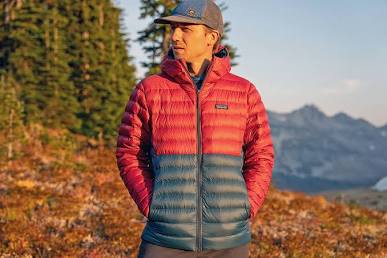
For thermal protection, their down sweaters and parkas feature Advanced Global Traceable Down, ensuring absolute animal welfare while delivering incredible warmth-to-weight ratios. Their synthetic PlumaFill insulation mimics the structure of natural down to offer continuous lofting even when completely soaked.
Target Performance Metrics
- Best For: Multi-day backpacking, technical trail hiking, cold-weather camping, and eco-conscious travel.
- Waterproof / Breathability Profile: 20,000 mm waterproof rating / 20,000 g/m^2/24h breathability across H2No 3-layer variants.
- Fit Profile: Regular, relaxed patterns built to accommodate thick, layered insulation systems comfortably underneath.
4. Helly Hansen: Marine Heritage Meets Arctic Survival
Hailing from Norway since 1877, Helly Hansen was born out of a critical need to protect mariners from freezing North Sea spray. Today, this heritage translates into some of the most reliable commercial-grade foul-weather gear on earth, trusted by ski patrol teams and ocean racers globally.
Extreme Waterproof Engineering
Helly Hansen excels in environments where moisture is constant, cold, and accompanied by heavy wind friction. Their unique marine foundation gives their garments up to 10% to 20% higher salt-water resistance than traditional inland hiking brands.
Key Weather Proprietary Technologies
The core of Helly Hansen's weather shield is Helly Tech Professional. This membrane features a highly porous molecular structure that prevents water droplets from penetrating while allowing sweat vapor to pass outward effortlessly.
They also lead in active climate adaptation with their H2Flow temperature regulation system. This technology uses inner air pockets and space-saving insulation layers alongside mechanical ventilation zippers. It allows users to store trapped warm air when stationary, and release it rapidly via ventilation ports during heavy cardio work.
Target Performance Metrics
- Best For: Heavy winter skiing, coastal sailing, open-ocean racing, and sub-zero arctic exploration.
- Waterproof / Breathability Profile: 20,000 mm waterproof rating / 20,000 g/m^2/24h breathability.
- Durability Index: Tested to exceed 50,000 cycles on the Martindale abrasive wear scale.
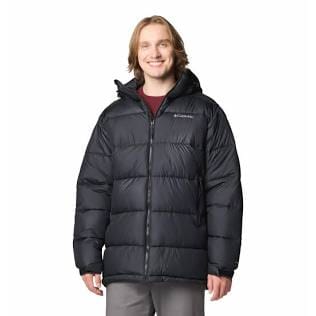
5. Columbia Sportswear: Accessible Innovation for Diverse Terrains
Based out of Portland, Oregon, Columbia Sportswear specializes in mass-premium accessibility. They focus on delivering dependable, innovative weather protection at price points that remain accessible to entry-level enthusiasts and experienced hikers alike.
Value-Driven Technical Advancements
While high-end competitors often charge steep premium prices, Columbia uses proprietary tech scales to optimize manufacturing costs without abandoning vital weather metrics.
Key Weather Proprietary Technologies
Columbia's primary differentiator is Omni-Heat Infinity. This technology is instantly recognizable by its pattern of metallic gold dots printed across inner jacket liners. Inspired by NASA space blanket technology, these dots reflect body heat directly back toward your torso while maintaining spacing to let air and moisture escape.
For rainy conditions, their Omni-Tech and OutDry Extreme membranes offer a unique external membrane design that cuts out the traditional outer fabric layer altogether, completely preventing the jacket from getting waterlogged.
Target Performance Metrics
- Best For: Day hikes, resort skiing, casual camping, and urban commuting through mixed winter conditions.
- Waterproof / Breathability Profile: 10,000 mm to 20,000 mm waterproof ratings / Variable breathability depending on exertion tier.
- Fit Profile: Generous, standard fits that provide exceptional comfort for all body types.
6. The North Face: The Crossover Champion of Style and Function
The North Face has been a major pillar of outdoor exploration since 1966. What makes them unique is their ability to bridge two distinct worlds: technical alpine mountaineering and modern urban streetwear (often referred to as the gorpcore trend).
Street-Smart Technical Crossovers
The North Face manages a diverse product ecosystem. You will find their gear protecting athletes on high-altitude peaks like Everest, as well as keeping city dwellers dry on rain-soaked city streets.
Key Weather Proprietary Technologies
Their premium technical tier features Futurelight, an advanced membrane created through a process called nanospinning. This methodology creates microscopic openings that are incredibly small. These nano-holes block liquid water from entering completely, but allow air to flow through the garment much more freely than traditional hardshell fabrics. This significantly lowers the stuffy, humid feeling often experienced during high-exertion hikes.
Target Performance Metrics
- Best For: Trail running, dynamic fast-packing, resort snowboarding, and daily urban commuting.
- Waterproof / Breathability Profile: 25,000 mm waterproof rating / Up to an exceptional 75,000g/m^2/24h breathability rating via specialized Futurelight lines.
- Fit Profile: Standard to relaxed options, featuring high-volume hoods engineered to fit seamlessly over climbing or snowboarding helmets.
Final Comparison: Finding Your Perfect Weather Shield
To wrap up your decision-making process, let us look at how these market leaders compare across core performance categories:
| Brand | Core Strength | Primary Tech Membrane | Best Value Use |
| Arc'teryx | Ultra-light structural alpine builds | Gore-Tex Pro / Most Rugged | Uncompromising technical climbs |
| Patagonia | Outstanding eco-friendly focus | H2No Performance Standard | Multi-day wilderness exploration |
| Helly Hansen | Superior marine and sub-zero durability | Helly Tech Professional | Heavy snowfall and ocean elements |
| Columbia | Cost-effective reflective thermal tech | Omni-Heat / Omni-Tech | Budget-conscious recreational use |
| The North Face | Exceptional high-airflow breathability | Futurelight | Fast-paced high-exertion activities |
Before purchasing, always assess your specific climate needs. If your trails are consistently humid and wet, prioritize high breathability like Futurelight. If you are facing abrasive granite rocks or heavy mountain ice, invest in the durable defense of a premium Gore-Tex Pro hardshell. Matching fabric science to your regional environment ensures you stay safe, warm, and comfortable wherever your adventures take you.