The Trailmaster's Toolkit: Top Hiking Essentials for Outdoor Adventures
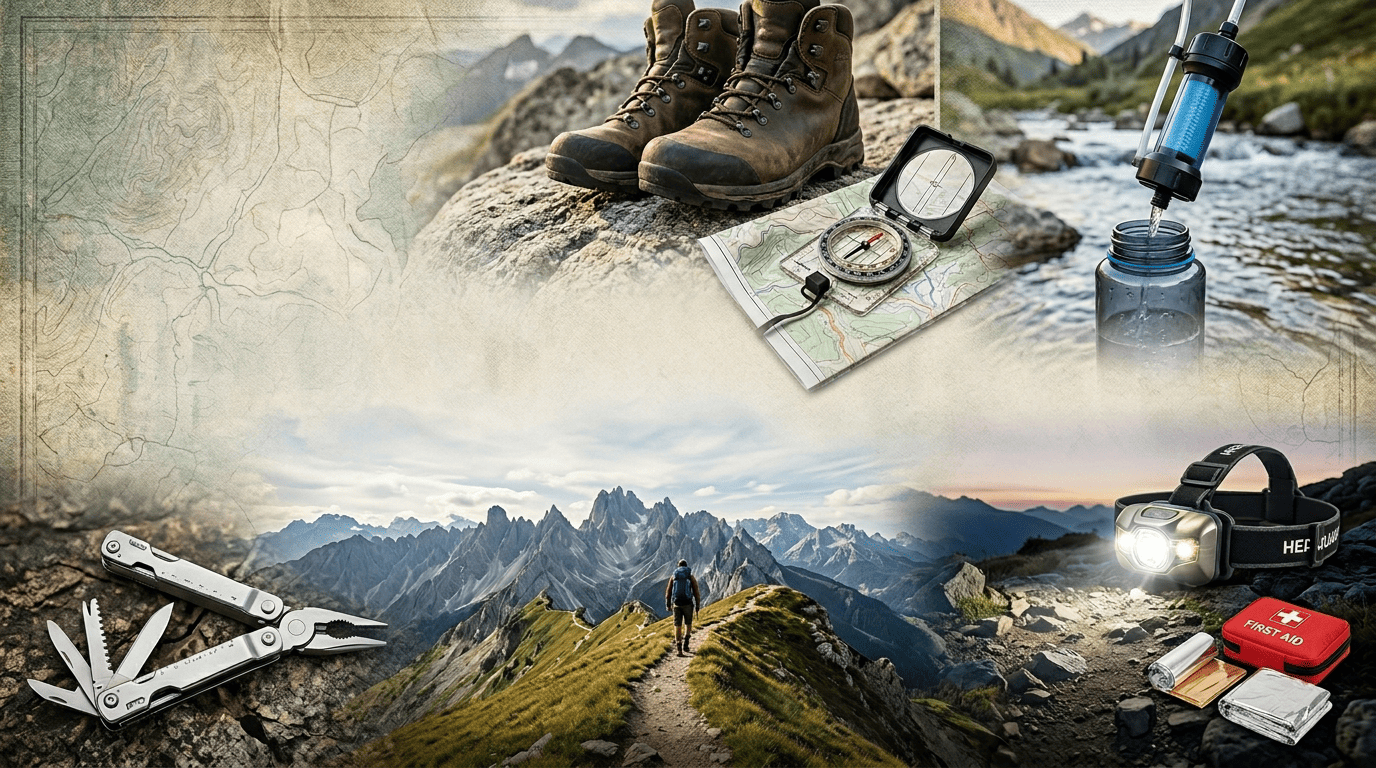
There is an ancient, unspoken truth known to every seasoned wilderness explorer: the mountain does not negotiate, nor does it grant exceptions for poor preparation. Whether you are planning a moderate afternoon trek through sun-dappled regional state parks or embarking on a punishing multi-week transit across remote alpine backcountry, the contents of your backpack dictate your survival parameters. Far too many novice hikers view gear selection as a casual exercise in packing comfort items. In reality, assembling your trail kit is an exercise in complex risk mitigation, environmental thermal management, and safety redundancy planning.
When you step away from cell service and manicured infrastructure, you cross an invisible threshold into an ecosystem where weather patterns shift dynamically, and basic resources like clean water and shelter become immediate priorities. To help you navigate these demands successfully, this comprehensive blueprint breaks down the absolute top hiking essentials for outdoor adventures. Each component is thoroughly evaluated through a technical lens, providing you with the definitive knowledge base required to survive and thrive on any terrain.
1. Technical Footwear: The Structural Foundation of Your Trek
Your relationship with the trail begins and ends with your feet. Every mile walked places a continuous, compounding structural load on your lower joints, arches, and ankles. Therefore, selecting high-quality footwear is the single most critical gear decision you will make. The outdoor market is broadly divided into lightweight trail runners, mid-cut hiking shoes, and full-grain leather alpine boots.
For modern mixed terrains, intermediate and advanced adventurers increasingly turn to high-stability trail systems. If you want to prevent blisters and secure optimal traction across wet granite and slick mud, you can explore the latest professional range and Shop Premium Waterproof Hiking Boots Here. These options provide reinforced rubber toe caps, dual-density EVA midsoles for impact absorption, and deep lugs engineered to shed debris naturally as you move.
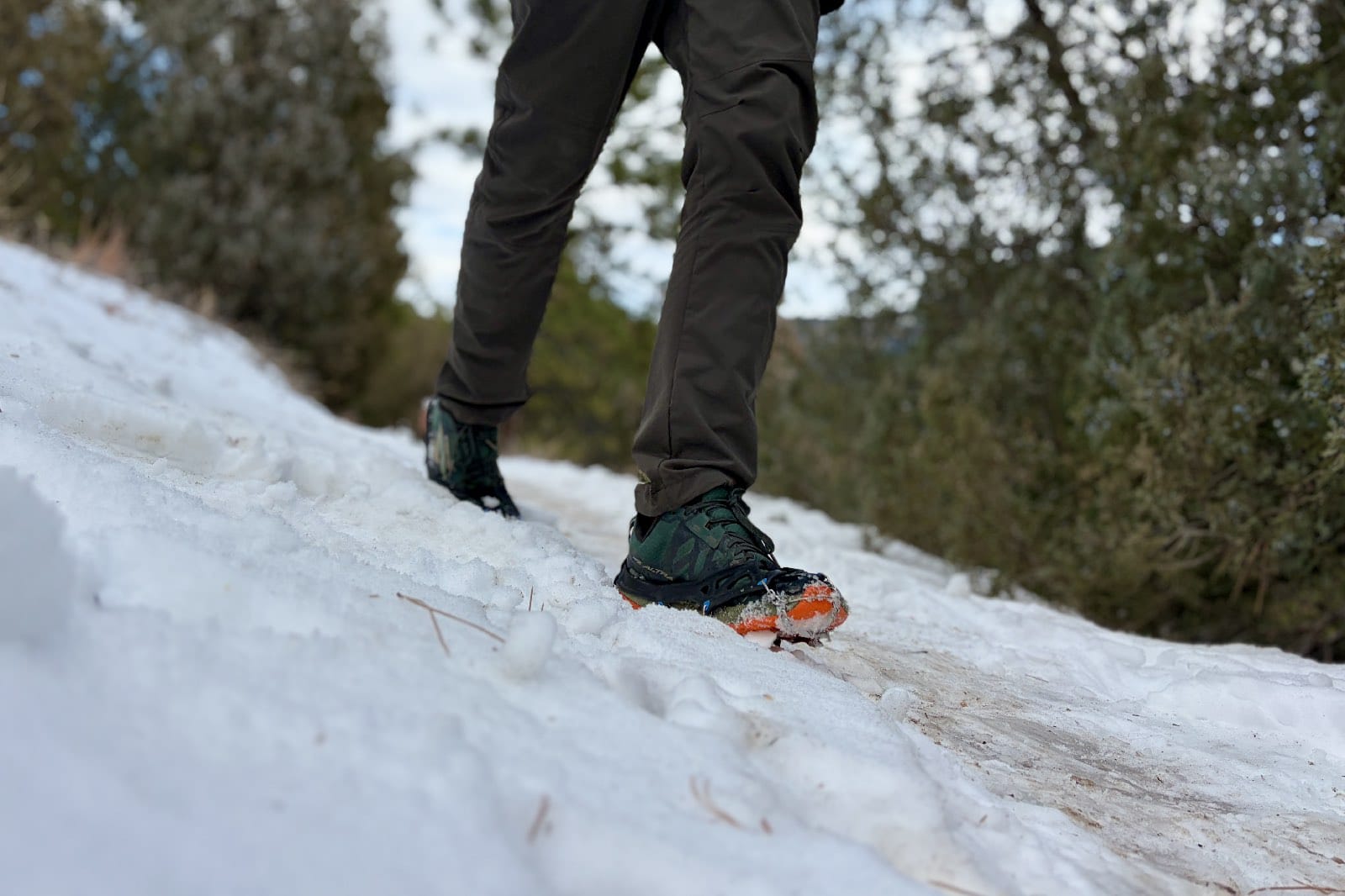
Equally critical is your choice of socks. Never wear cotton on the trail; cotton retains moisture, collapses structurally when wet, and creates instantaneous friction points that lead to debilitating blisters. Instead, opt exclusively for high-density Merino wool blends featuring targeted loop-pile cushioning underneath the heel and metatarsal heads. Merino wool naturally regulates temperature and retains its thermal insulation capabilities even when completely damp.
2. Advanced Navigation: Redundancy in the Digital Age
Getting lost is one of the most common causes of search-and-rescue deployments globally. While modern smartphones feature exceptional GPS chipsets, they suffer from fundamental vulnerabilities: rapid battery drain in cold conditions, delicate glass screens, and a complete lack of cellular signal dependency when deep in wilderness canyons.
True navigational security relies on a dual-system framework combining digital precision with mechanical analog backups. For an unbeatable digital baseline that keeps working when offline, you should check out the latest satellite-linked devices and Browse Top-Rated GPS Satellite Navigators Now. These instruments allow for real-time tracking, offline topographical mapping, and two-way satellite communication for emergency SOS signals independent of cellular infrastructure networks.
The mechanical backup system must consist of a high-quality sighting compass paired with a physical, waterproof topographical map of the regional quadrant. Hikers must understand how to orient a map and calculate a magnetic declination correction using the standard equation:
M = G ± D
Where M represents the magnetic bearing, G represents the grid bearing on your physical map, and D is the local compass declination angle. Forgetting to apply this adjustment in regions with high declination can throw a hiker hundreds of meters off course over a single mile of travel.
3. Hydration Infrastructure and Advanced Fluid Purification
Dehydration degrades physical performance, impairs critical decision-making abilities, and accelerates the onset of hypothermia or heat exhaustion. A human being exerting themselves on a steep mountain trail with a weighted pack requires significant fluid intake. The baseline standard for calculation is given by the simple rate formula:
V = 0.5 * T
Where V is the target fluid volume in liters and T is the total time spent hiking in hours. Under high thermal stress or steep vertical inclines, this required baseline can quickly double.
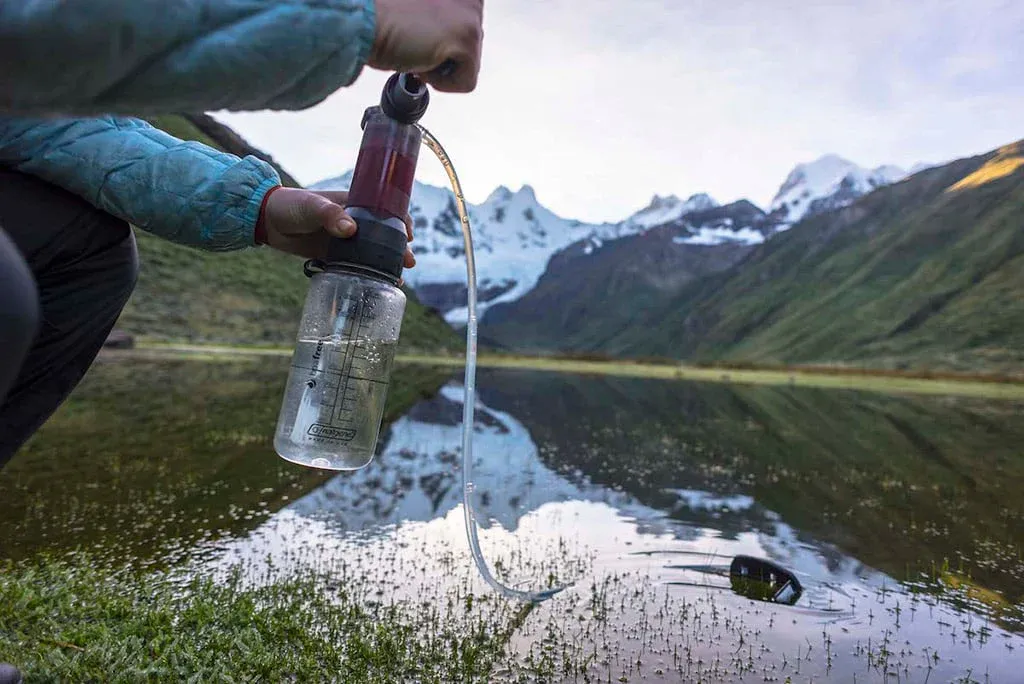
Carrying all your water weight is often impractical for long-distance treks, which makes choosing a dependable field filtration system essential. Natural water sources that look pristine can still be contaminated with microscopic pathogens like Giardia lamblia or Cryptosporidium. To protect yourself from waterborne illnesses, make sure you invest in high-efficiency portable filtration gear and Explore Ultralight Backcountry Water Purifiers. Modern configurations use hollow-fiber membrane technology to screen out bacteria and protozoa down to $0.1$ microns absolute, giving you clean, safe hydration anywhere on the trail.
4. The Illumination Vector: Headlamps vs. Handheld Flashlights
An afternoon delay due to a minor navigational error, an unexpected storm, or a twisted ankle can instantly turn a routine day hike into an unplanned night expedition. When darkness falls in the deep woods, it is absolute. Navigating a rugged trail without hands-free illumination is incredibly difficult and dangerous.
Pro-Tip for Wilderness Night Operations: Always pack a minimum of one extra set of lithium batteries or a dedicated backup power bank, and store your primary light source in an easily accessible top pocket of your pack. Cold alpine temperatures drain standard alkaline cells rapidly.
A high-output LED headlamp is always preferred over a traditional handheld flashlight because it leaves your hands completely free to hold trekking poles, consult maps, or navigate rocky scrambles safely. To upgrade your light setup before your next trip, you can check out long-range options and View High-Performance Technical LED Headlamps. Look for units that offer a minimum of 300 lumens of brightness, multiple dimming levels to save battery life, a red-light mode to preserve your natural night vision, and reliable IPX4 or higher weatherproofing.
5. First Aid and Emergency Shelter Systems
A properly stocked medical kit is not something you carry for the minor cuts and scrapes you expect; you carry it for the severe medical emergencies you hope never happen. A comprehensive backcountry medical kit must include specific tools to manage trauma, stabilize joint injuries, and treat environmental illness.
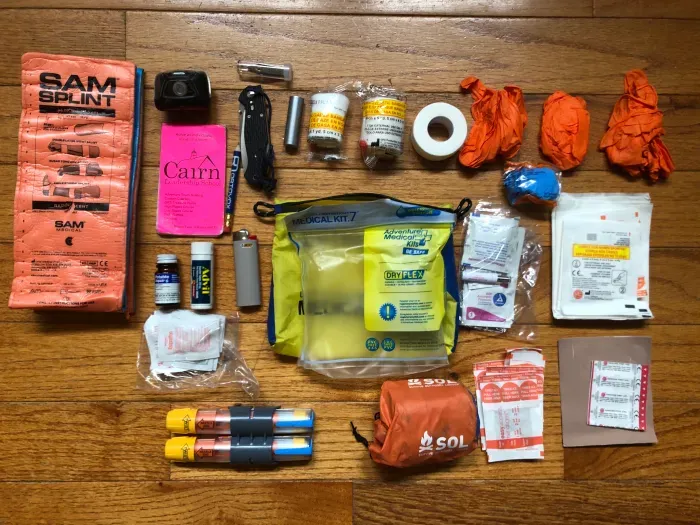
Your kit should include sterile trauma dressings, flexible conforming gauze, butterfly closure strips, a moldable SAM splint for stabilizing fractures, blister prevention patches, and a variety of basic medications like ibuprofen and antihistamines[cite: 1, 2]. If you do not have a robust medical setup, you can protect yourself by choosing pre-packed kits and Purchase Comprehensive Wilderness First Aid Kits.
Alongside your medical gear, an ultra-compact emergency shelter should have a permanent home in your backpack. An unexpected drop in temperature or a sudden storm can cause hypothermia faster than most hikers realize. A lightweight space blanket or a pocket-sized emergency bivvy sack reflects up to 90% of radiated body heat back to you, providing a critical, life-saving shelter barrier if you are forced to spend an unexpected night out on the mountain.
6. Multi-Tools and Gear Repair Integrity
Out on the trail, mechanical failures can happen at any time. A zipper on your waterproof hardshell can split open, a trekking pole locking mechanism can slip, or a backpack strap can tear away under a heavy load. Without the right tools, these minor equipment issues can quickly escalate into major safety hazards.
A premium outdoor multi-tool provides a compact, all-in-one repair kit for your gear. Essential features for the trail include spring-action pliers, a sharp locking blade, heavy-duty wire cutters, flathead and Phillips screwdrivers, and a reliable pair of scissors. To find the perfect multi-tool for your pack, you can explore the best options available and Find Heavy-Duty Wilderness Multi-Tools Here.
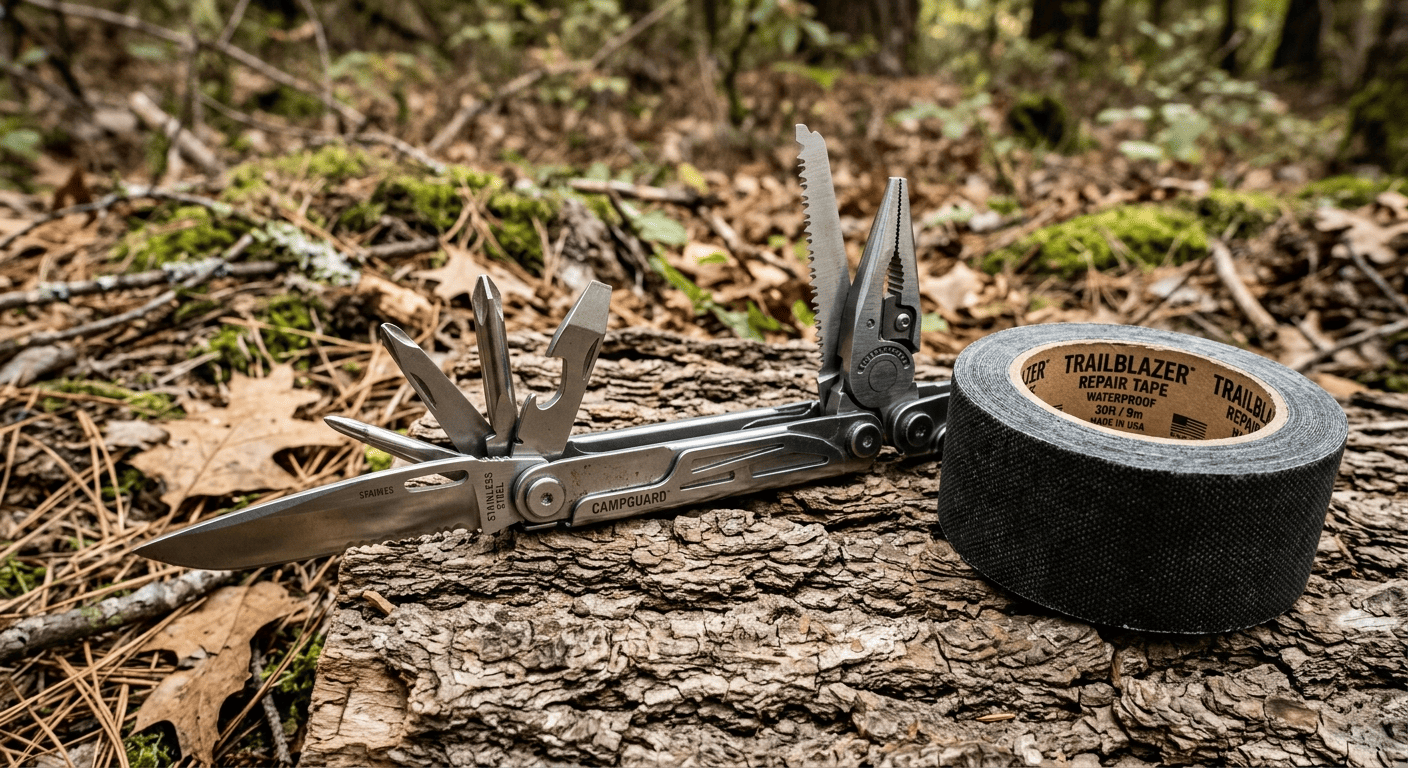
For a complete repair kit, pair your multi-tool with a small roll of heavy-duty duct tape or tenacious gear repair tape. This simple combination lets you patch torn tents in the field, fix punctured sleeping pads, or reinforce damaged footwear soles, keeping your gear functional and your adventure moving forward safely.
Comprehensive Essentials Matrix
To help you quickly audit your gear before your next departure, use this comprehensive essentials matrix to verify your packing plan based on your expected trip profile:
| Gear Category | Day Hike Baseline | Multi-Day Backcountry | Primary Risk Mitigated |
| Footwear | Lightweight trail shoes / Merino socks | Stiff shank alpine boots / Liner socks | Ankle rolls, blisters, tendonitis |
| Navigation | Smartphone app + Physical map | Dedicated GPS + Compass + Topo maps | Disorientation, getting lost |
| Hydration | 2L capacity + Squeeze filter | 3L+ capacity + Gravity multi-stage filter | Dehydration, waterborne pathogens |
| Illumination | 150 Lumens headlamp | 400+ Lumens headlamp + Spare cells | Stranded in darkness, navigation errors |
| Medical/Shelter | Basic blister kit + Space blanket | Trauma kit + SAM splint + Emergency bivvy | Hypothermia, untreated trauma injuries |
Conclusion: Investing in Long-Term Outdoor Safety
Ultimately, the gear you choose to bring along transforms from simple equipment into an essential survival system the moment you step onto the trail. High-quality outdoor gear isn't about chasing the latest trends or showing off premium logos; it's an investment in your safety, comfort, and peace of mind. By prioritizing proper technical footwear, reliable navigation tools, robust water purification, hands-free lighting, comprehensive first aid, and versatile repair gear, you prepare yourself to handle whatever challenges the wilderness may throw your way.
Before you head out on your next journey, make it a habit to audit your backpack, check your battery levels, and replace any expired medical supplies. The wilderness rewards those who respect its unpredictable nature and prepare accordingly. Pack intentionally, stay smart, and enjoy the incredible experiences waiting for you on the open trail